
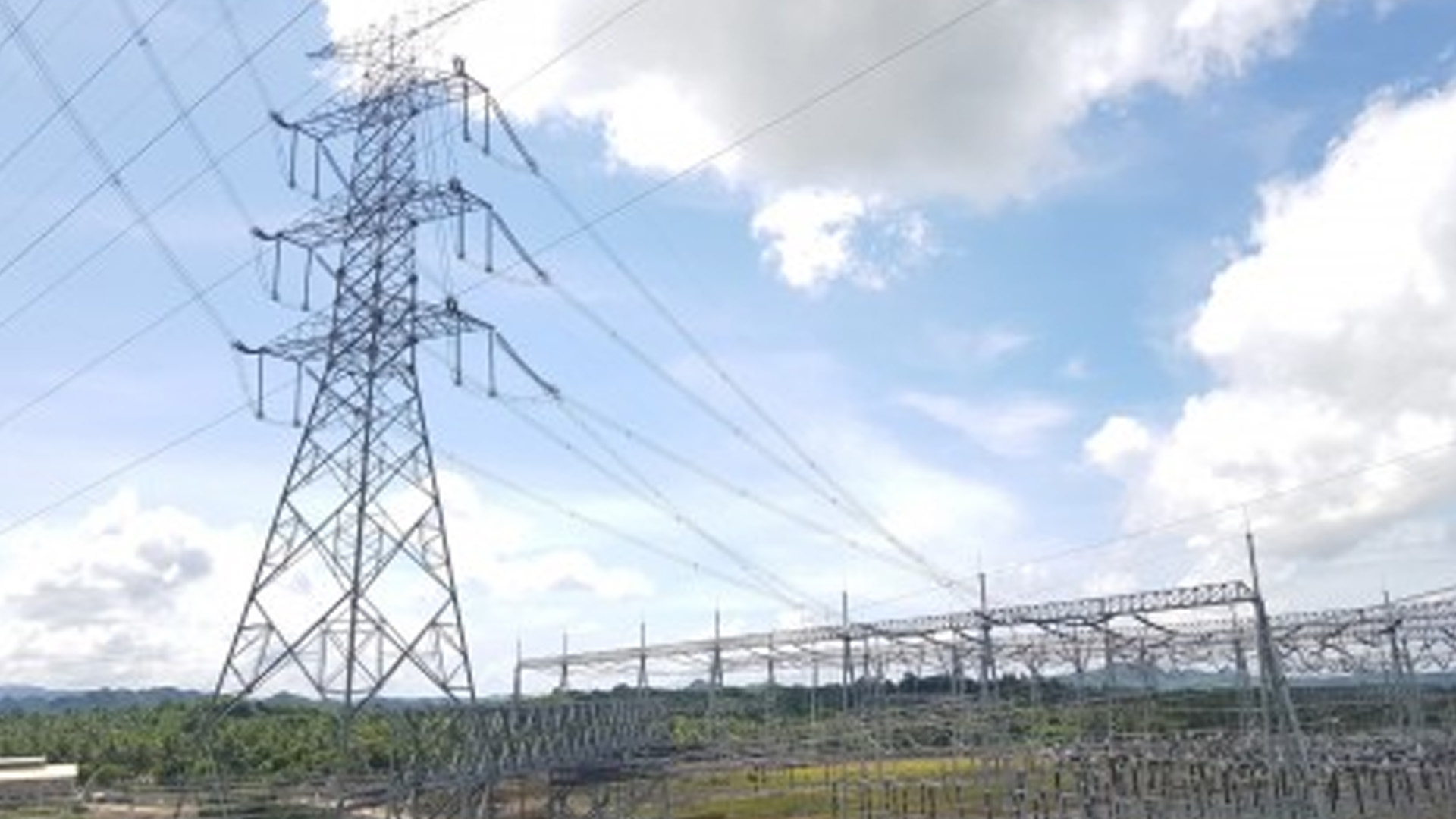







The country’s energy sector has grown into a PHP3.3-trillion industry, up from PHP630 billion in 2022, according to the Department of Energy (DOE).
DOE Secretary Raphael Lotilla said Thursday the figure was based on updated data from the Energy Regulatory Commission, including new audited financial statements as of March 2025.
“This more updated figure can give you a better view of how large, how healthy, and how vibrant the (Philippine) power sector,” he said at a press briefing in Taguig City.
“What it, of course, underlines is that the energy sector as a whole is indeed an important contributor to the economy.”
Lotilla said the industry value reflects the rising energy assets, including generation, transmission, and distribution.
“If the power sector does not grow, then that means that we will remain stuck in the doldrums. Our economy won’t be able to grow for as long as our per capita consumption of energy is low,” he said.
Lotilla said an economy growing by 6 percent annually requires growth in the power sector at around 5.2 percent.
Moreover, to further lower the cost of electricity, the government is expanding renewable energy, investing in power transmission, and pushing for hybrid systems in off-gird areas to replace diesel with solar or liquefied natural gas.
“We are looking at increasing the share of energy sources indigenous to our country, which we have greater control over when it comes to the availability of supply, as well as pricing,” Lotilla said.
Lotilla said the projects of the National Grid Corporation of the Philippines would also help in easing transmission bottlenecks.
“So, as more power supply is made available and there are less transmission constraints, then prices can, in fact, go down,” he added. (PNA)