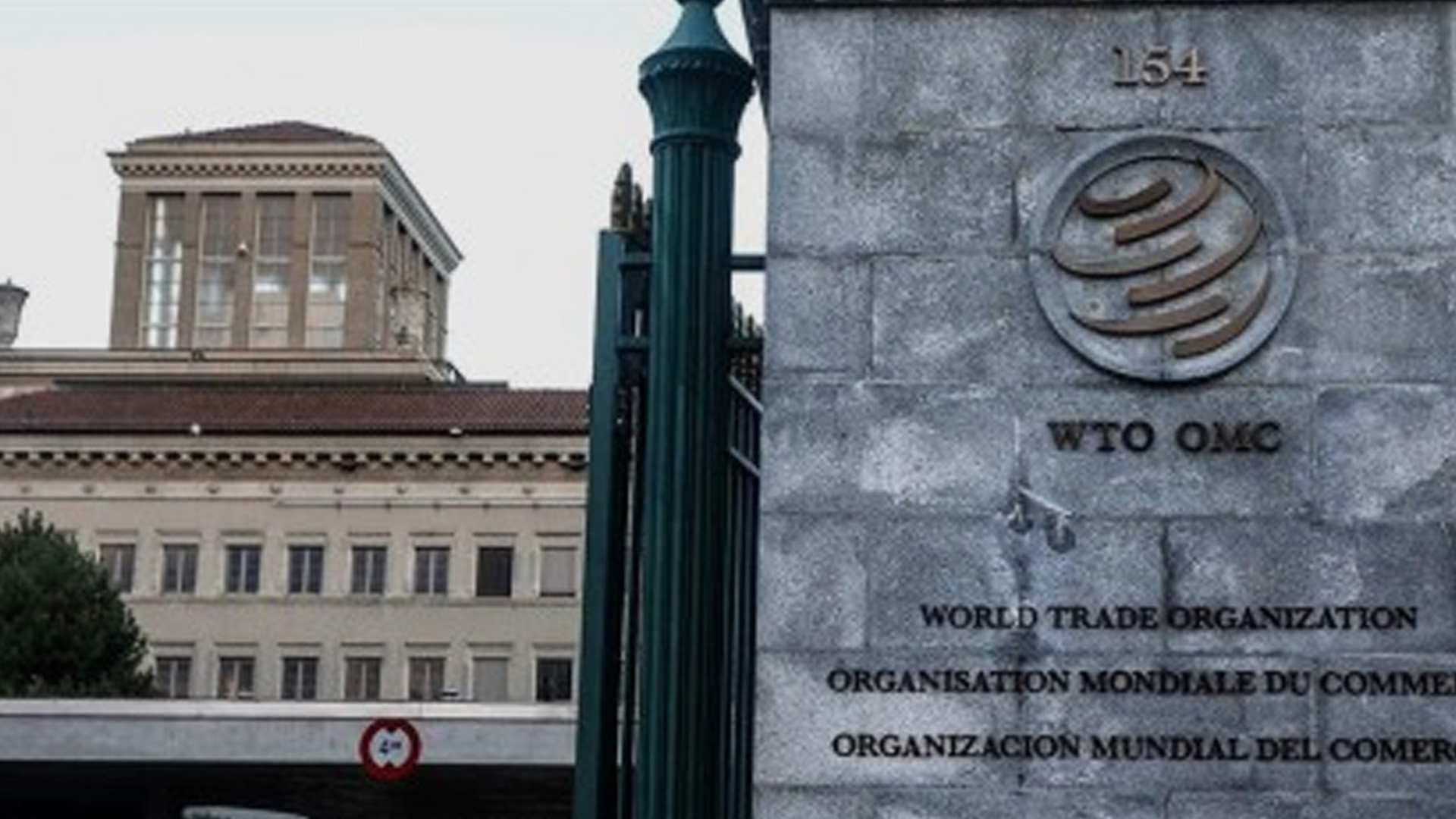







Artificial intelligence (AI) is expected to increase the value of global trade and services up to 37 percent by 2040, as poor countries close the technological gap with rapid advancements, according to a World Trade Organization (WTO) report.
The report, titled World Trade Report 2025: Making trade and AI work together to the benefit of all, said that AI applications contribute to productivity in economies, enabling more companies to comply with complex regulations.
The report said AI’s most significant impact will be seen in the digital services industry.
“AI-enabling goods, such as semiconductors and intermediate inputs” play a key role in global trade, as these products’ trade volume reached USD2.3 trillion in 2023, the organization said.
The WTO, however, warned that without targeted investments and inclusive policies, AI could deepen existing divisions and the upwards of 37 percent growth in global trade may not be reached by 2040.
“However, the effects of the development and deployment of AI are raising concerns that many workers, and even entire economies, could be left behind,” WTO Director-General Ngozi Okonjo-Iweala said in the report.
Digital infrastructure, technology, and skilled workforce are currently concentrated in few high-income countries, according to the WTO report, while investments in education are necessary to prevent inequalities.
“AI has vast potential to lower trade costs and boost productivity, as well as to create new avenues for services production and exports,” she said.
“Today, however, access to AI technologies and the capacity to participate in digital trade remain highly uneven, especially for many low-income economies. Without proactive policy responses and greater international cooperation, AI could deepen inequalities rather than reducing them.” (PNA)